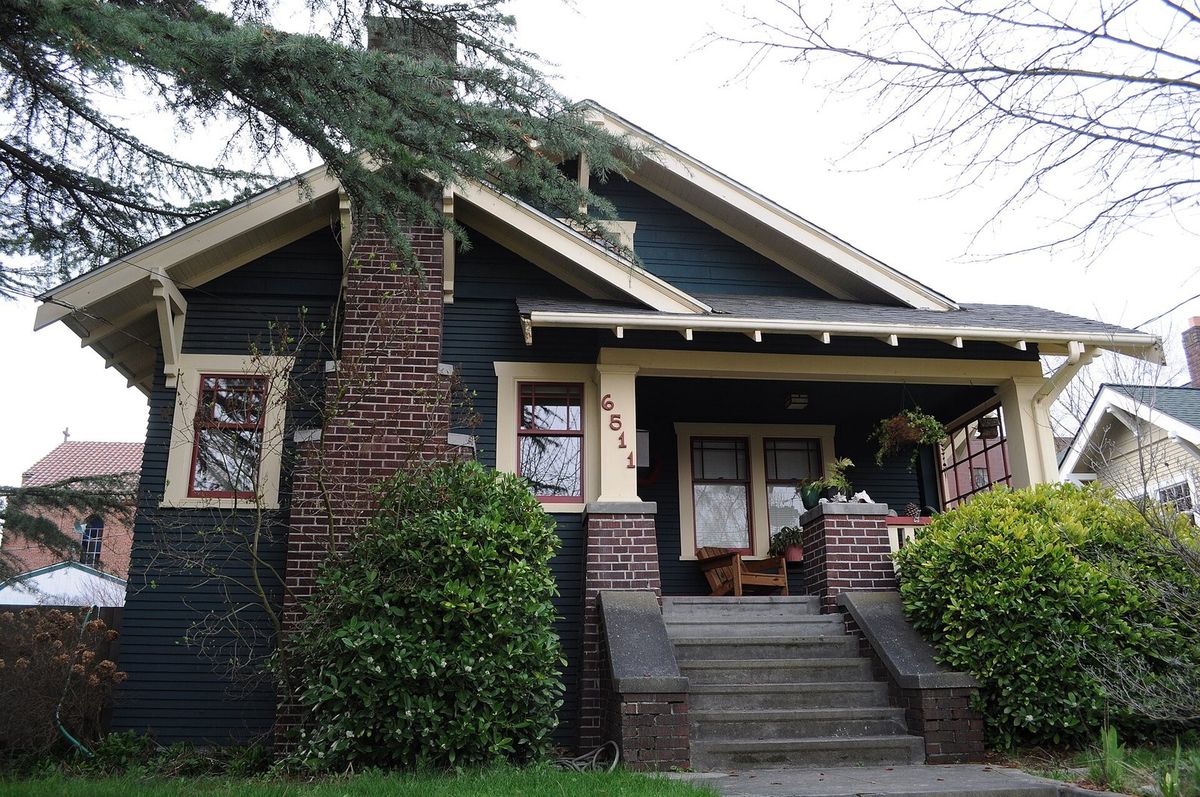
North Seattle: Craftsman subfloors
Ballard, Fremont, Wallingford, Green Lake, Phinney, Ravenna and the University District are 1905 to 1930 houses with plank subfloors, original fir flooring under decades of carpet, and crawl spaces or basements that run damp. New floating floors here usually start with a thin plywood underlayment layer to flatten the planks, a vapor barrier underlayment, and attention to the dozens of transitions old floor plans produce. Many owners refinish the fir in the front rooms and run laminate or vinyl plank through the kitchen and back of the house.
Northgate, Lake City, Maple Leaf and Wedgwood are mid-century ramblers and split-levels with plywood subfloors, carpet over everything and kitchens that have seen three floors already. Straightforward installs; the usual work is leveling at the kitchen and pulling the old vinyl layers.
Central Seattle: hills, condos and remodels
Capitol Hill, Queen Anne, Magnolia, Madrona and the Central District combine big old houses, mid-century apartments and new townhouses. The houses have the Craftsman issues; the townhouses have long open runs that need expansion breaks and transitions placed well; the condos in Belltown, South Lake Union, First Hill and along Capitol Hill have sound requirements for upper units that decide the underlayment and sometimes the product.
South and West Seattle
Beacon Hill, Columbia City, Rainier Valley and Seward Park mix Craftsmans with post-war ramblers and townhouse infill. West Seattle and Delridge have the same mix on sloped lots with daylight basements, where vinyl plank over a vapor barrier is the standard lower-level floor. Georgetown and South Park's older houses on wet ground make the subfloor moisture check especially important.
Rentals and ADUs
Seattle's basement apartments, backyard cottages and small multi-unit buildings turn over constantly. Waterproof 20-mil vinyl plank, standardized across units with attic stock kept for repairs, has become the landlord floor, and installers quote per unit so each turnover is a phone call.
When you call
Say which neighborhood, roughly how many square feet, what is on the floor now and whether there are stairs. You get a call back to book a free measure, the installer's name and L&I registration number, and a written quote before anything is ordered.