Free in-home measure and written quote · Seattle, Eastside & Puget SoundFree in-home estimates · Seattle & Puget Sound Call or text (844) 543-5757·info@helpmenow.com
SeattleFlooring Installers
(844) 543-5757
Landlords & managers

Flooring for rentals, ADUs and multi-unit buildings

Call me right now

Need new floors? Request a local installer

Free · No obligation · You choose who to hire

Handled by HelpMeNow.com, a Help Me Now Inc service. The installer who calls you is an independent Washington-registered contractor.

Carpet in a Seattle rental lasts one tenancy. Rigid-core vinyl plank lasts many, cleans up after anyone and can be repaired a plank at a time. Installers quote per unit, schedule around turnovers and know the sound rules for upstairs units.

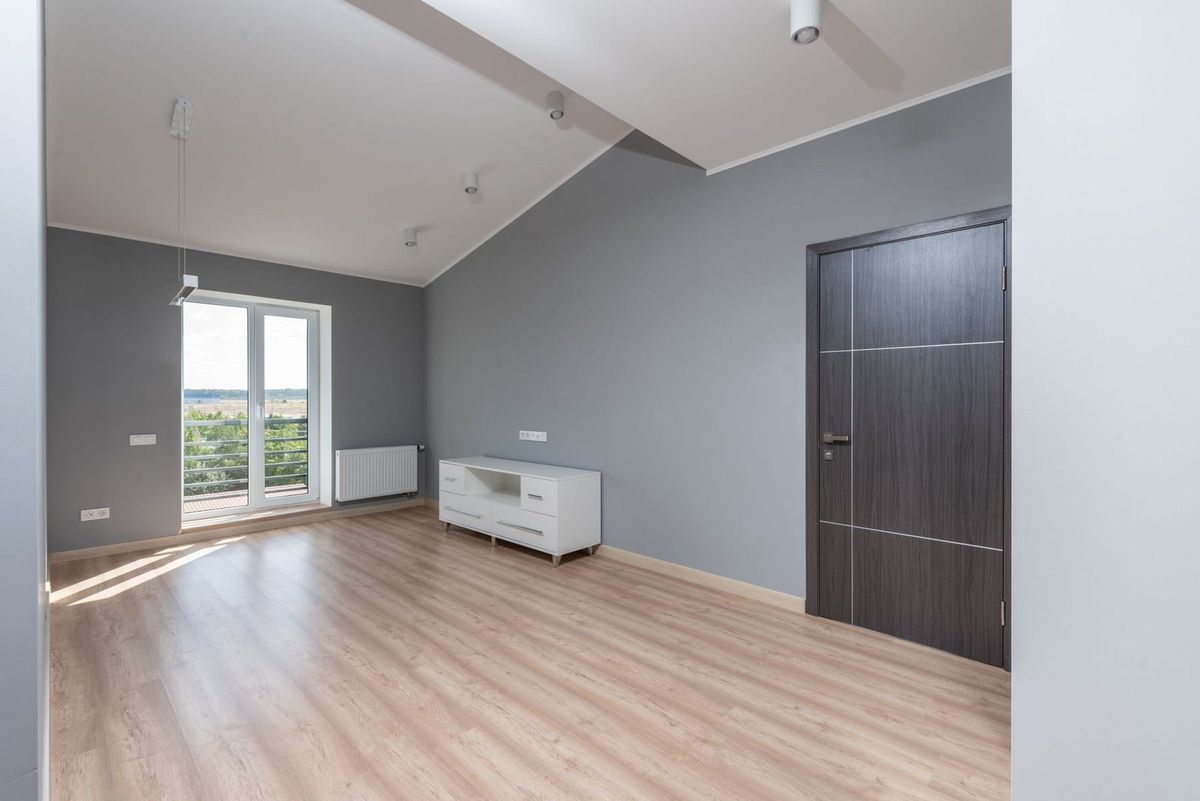
Grey oak laminate in a modern room
Durable, neutral floors that turn units fast.

Seattle's rental stock is a mix of basement apartments under Craftsman houses, backyard ADUs, 1960s and 1970s small apartment buildings, converted condos and the townhouse units that fill every infill block. Landlords and property managers who put the right floor in once stop replacing floors every turnover.

The right product

Rigid-core luxury vinyl plank with a 20-mil wear layer has become the standard rental floor for good reason: waterproof against tenant spills and appliance leaks, resistant to claws and furniture drags, easy to clean, quiet with an attached or added pad, stable in basement humidity, and repairable plank by plank. Laminate at AC4 or AC5 is a sound lower-cost choice for dry living areas and bedrooms. Standardizing one product across units means repairs match and bulk pricing applies.

Upstairs units and sound

Hard flooring in a unit above another is a noise issue, and Seattle condominium associations have rules about it. Many require an impact insulation class, an IIC rating, for the floor assembly, specify an acoustic underlayment, or require the board's approval of the product and underlayment before installation. Installers ask for the building's requirements at the measure and specify a product and underlayment combination that meets them, with the manufacturer documentation the board will ask for. Doing this first avoids a floor that has to come back out.

Basements, ADUs and slabs

Basement units and backyard cottages sit on concrete or over crawl spaces. Vinyl plank over a vapor barrier is the standard answer; the slab is moisture-tested before installation and leveled where it needs it. Laminate is generally avoided below grade.

Turnover scheduling

A one-bedroom unit is usually one day; a two-bedroom, two. Removal, haul-away, prep, install and trim happen between the move-out clean and the new lease, with the crew working around painters and cleaners. For buildings with rolling vacancies, per-unit pricing is fixed up front so each turnover is a phone call.

Damage, deposits and repairs

Because click-lock planks come apart, a damaged section can be replaced without redoing the room, as long as attic stock exists. Installers leave a box or two from each job for this. For move-out assessments, the installer can provide a written repair quote by the square foot.

On the quote

Per unit: removal by type, disposal, prep, product and underlayment by square foot, transitions and trim, appliance pulls and resets, and labor, with a schedule and the sound documentation where it applies. Multi-unit projects are quoted with per-unit pricing that holds for the agreed period.

What to expect

How a rental flooring project runs

Walk the units

The installer measures each unit or a representative unit, checks subfloors and notes the HOA or building sound requirements for upper floors.

Free visit

Standardize the product

One durable, waterproof product with a 20-mil wear layer across units, so future repairs match and bulk pricing applies.

At the quote

Per-unit written quote

Removal, prep, product, underlayment, trim and labor priced per unit and per square foot, with the schedule built around vacancies.

1 to 3 days

Turnover install

Most one- and two-bedroom units are done in one to two days between move-out cleaning and the new lease, including haul-away.

1 to 2 days per unit

Attic stock

A box or two left for future plank-by-plank repairs, which is the whole point of choosing a click-lock product.

At close-out
FAQ

Questions homeowners ask us

What flooring holds up best in a Seattle rental?

Rigid-core vinyl plank with a 20-mil wear layer. It is waterproof, scratch resistant, quiet with the right pad, tolerant of basement humidity, and a damaged plank can be replaced without redoing the room. AC4 or AC5 laminate is a good lower-cost alternative in dry living areas. Carpet is the most expensive floor you can buy per year of use.

What are the sound requirements for an upstairs condo or apartment?

Many Seattle condominium associations and some lease agreements require hard flooring in upper units to meet an impact sound rating, often stated as an IIC number, and some require a specific underlayment or board approval before installation. The installer asks for the building's requirements at the measure and specifies an underlayment and product combination that meets them, with the documentation the board wants.

Can you do several units at once or on a rolling schedule?

Both. Vacant buildings and renovations are scheduled unit by unit in sequence; occupied buildings are scheduled by turnover as units come up, with the same product each time. Per-unit pricing is set up front so each turnover is a phone call, not a new bid.

Do you handle ADUs and basement units?

Yes. Seattle's backyard cottages and basement apartments usually sit on slabs or over damp crawl spaces, which makes waterproof vinyl plank over a vapor barrier the right floor. The installer moisture-tests the slab before anything is laid.

Open now

Book a free in-home measure

A Washington-registered flooring installer measures, answers your questions and sends a written quote. Install dates are usually within a couple of weeks of approval.

Call now(844) 543-5757
Send us photos

Show us what happened

Add a few photos, tell us where you are and a dispatcher looks at them right away, then calls or texts you back.