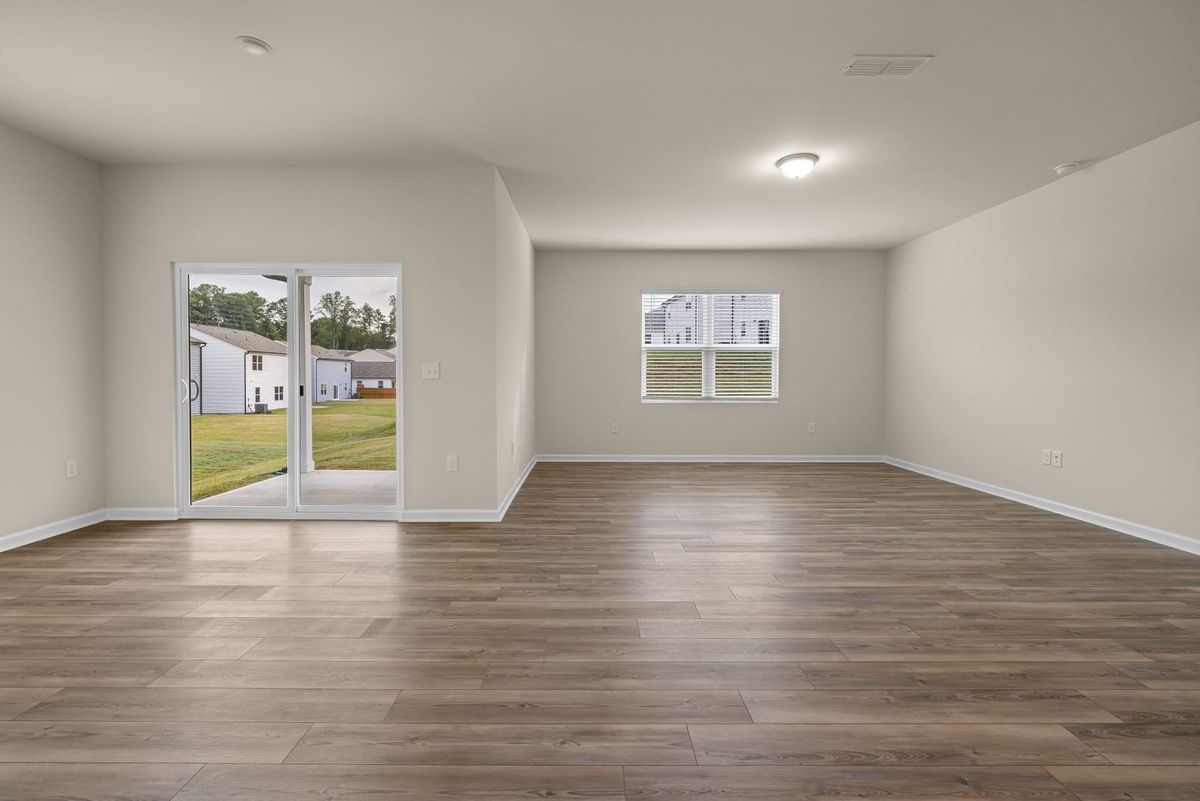
Luxury vinyl plank solved the problem every Seattle homeowner has with wood floors: water. Rain tracked in from the porch, a dog bowl, a dishwasher line, a basement that runs damp. Rigid-core LVP shrugs all of it off while looking enough like wood that guests do not notice, and it has become the default floor for kitchens, bathrooms, mudrooms, basements and rentals across the city.
Where vinyl plank makes sense
Kitchens and bathrooms. Waterproof planks, no grout to maintain, warmer and softer than tile.
Basements and daylight lower levels. Vinyl plank floats over slabs with a vapor barrier and tolerates the humidity that would swell laminate. It is the first floor installers suggest for a finished Seattle basement.
Mudrooms, entries and laundry rooms. Wet boots and washer overflows do nothing to it.
Homes with dogs. Claws do not scratch a 20-mil wear layer the way they scratch hardwood and lower-grade laminate, and accidents wipe up.
Rentals. Durable, waterproof, easy to repair plank by plank, and quiet enough for upstairs units with a good attached pad.
Whole-house. Many Seattle remodels now run one vinyl plank through every room for a seamless look with no transitions between wet and dry spaces.
Choosing a product
Rigid-core products come as SPC, denser and harder, or WPC, thicker and softer. The wear layer is the number that matters most for longevity, with 20 mil the practical standard. Attached underlayment pads reduce noise and are standard on most quality lines; an additional underlayment is sometimes specified for sound in condos. Plank sizes have grown; seven-inch by forty-eight-inch and larger planks suit Seattle's open-plan remodels, while narrower planks look right in older houses.
Realism varies a lot between lines. Look for embossed-in-register texture, matte finishes, enough different plank patterns in a box that repeats are not obvious, and painted bevels. Bring samples home.
Flat subfloors, again
Vinyl plank is thinner and more flexible than laminate, which means it shows every ridge and dip in the subfloor through the surface within a few months. Installers flatten high spots, fill low spots and fill tile grout lines before installing. In older Seattle houses with plank subfloors, a layer of underlayment plywood is sometimes the right call and is priced as found at the measure.
Floating or glue-down
Most residential vinyl plank floats with a click-lock joint and the expansion gaps the manufacturer specifies. In large open areas, under heavy fixed furniture, and in some commercial and rental settings, glue-down installation gives a quieter, more permanent floor and is quoted when it fits.
Transitions, trim and appliances
Doorways get T-moldings or flush transitions; exterior doors get reducers or thresholds; stairs get matching nosings. Baseboards are either pulled and reset or capped with quarter round, and the quote says which. Appliances are pulled and reset, with a check that the dishwasher still fits under the counter with the new floor height, before the first plank is cut.
What a vinyl plank quote includes
Square footage with waste, the product by name and price, underlayment where specified, removal and disposal, subfloor preparation, transitions and trim by the piece, appliance pulls and resets, stairs by the step, and labor. You approve it in writing before anything is ordered.